1 Aug 2026Alcohol-Free Travel
The Complete Guide to Alcohol-Free Travel
Discover how to plan an alcohol-free vacation with confidence, from choosing destinations and group trips to navigating social situations and making the most of every experience.
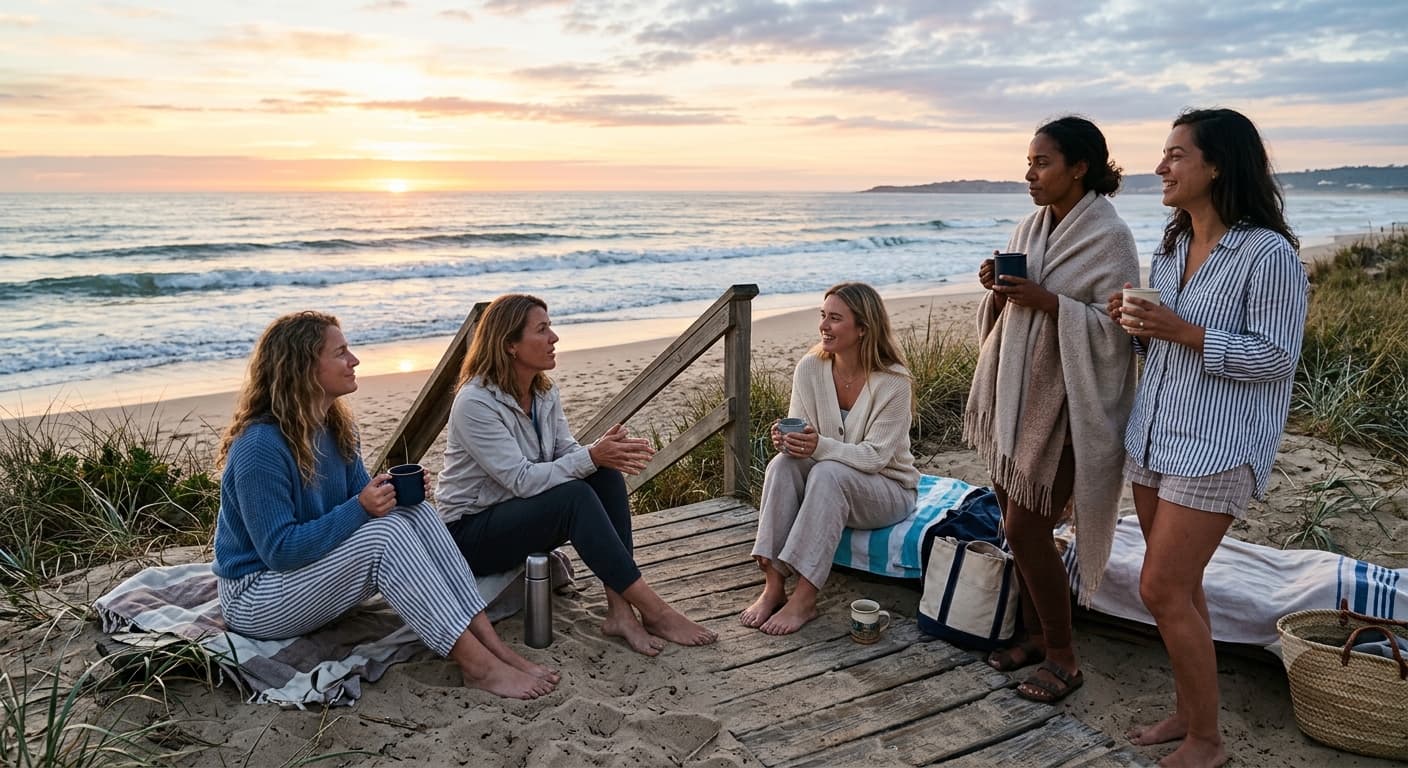
Travel advertising loves to put a drink in the picture. There’s champagne at hotel check-in, cocktails beside the pool, wine with dinner, and a brewery tour tucked into the itinerary.
After seeing those images often enough, it’s easy to assume alcohol is simply part of the travel experience. But it doesn’t have to be.
Alcohol-free travel gives you another way to experience a destination. You might start your mornings earlier, have more energy to explore, or remember every part of a long dinner. Food, culture, nature, adventure, and conversation have more room to become the focus.
You don’t need to identify as sober to take an alcohol-free vacation. Maybe you’re cutting back, taking a break, protecting your recovery, supporting someone you love, or simply curious about how traveling without alcohol might feel. There’s no single right reason.
What matters is planning a trip with plenty to look forward to, so the experience is shaped by what you get to do, not that you’ve decided not to drink.
What is alcohol-free travel?
Alcohol-free travel means choosing not to drink during a vacation, retreat, or group trip. What that looks like can vary quite a bit.
On a traditional vacation, alcohol may still be woven into the experience through welcome drinks, wine tastings, nightlife, resort packages, or cocktail hours. You can opt out, but you may have to research alternatives or explain your choice along the way.
A dedicated alcohol-free trip is designed differently from the beginning. Meals, activities, social time, and celebrations don’t depend on drinking. Instead of repeatedly opting out, you can participate in the full experience as it was intended.
Both approaches can work. The better fit depends on how comfortable you feel around alcohol, how much planning you want to handle yourself, and whether you’d like to travel with other people who’ve also chosen not to drink.
Why take an alcohol-free vacation?
One of the first things you may notice is how much more time you seem to have.
Without late nights and recovery mornings shaping the itinerary, it’s easier to enjoy an early hike, explore beyond the hotel, remember every part of a long dinner, or say yes to plans the following morning.
Traveling without alcohol can also change how you connect with people. Social time doesn’t have to revolve around a bar, so conversations have a chance to grow from shared experiences instead. On a group trip, that connection might happen during a cooking class, a boat ride, a guided walk, or a relaxed meal where no one’s waiting for the night to “really” begin.
There may be financial benefits too. Airport drinks, wine with dinner, resort cocktails, and minibar purchases add up quickly. Still, an alcohol-free trip isn’t automatically inexpensive. A hosted retreat or group experience may include accommodations, meals, guides, transportation, excursions, and support throughout the trip. The price reflects the full experience, not simply the absence of alcohol.
It’s also worth keeping expectations realistic. An alcohol-free vacation won’t guarantee perfect sleep, endless energy, or a life-changing breakthrough. Travel is still travel. Flights get delayed, plans shift, and unfamiliar environments can be tiring. Alcohol just isn’t adding another layer to those moments.
How to plan alcohol-free travel
You don’t have to anticipate every possible situation before you leave. A little preparation, though, can keep alcohol from taking up more space in your trip than it deserves.
It helps to think about planning in three stages.
1. Before booking
Start with the experience you want, not simply the destination.
How would you genuinely like to spend your days? Maybe you want outdoor adventure, local food, history, art, rest, personal growth, or time with a community. When a trip has a clear center, you have something appealing to build around.
Then take a closer look at the property, itinerary, and pricing. A resort may technically accommodate someone who doesn’t drink and still be a poor fit if the pool bar is its main gathering place, every evening starts with a cocktail hour, and the room rate includes unlimited drinks.
Before booking, ask:
Are tastings, cocktail hours, brewery visits, or open-bar events included?
Is alcohol central to the property’s atmosphere or entertainment?
Are there interesting activities in the morning and evening?
Does the accommodation have places to gather beyond the bar?
Would you be paying for an all-inclusive alcohol package you won’t use?
Are meals, excursions, transfers, and local transportation included?
Is there a single supplement if you’re traveling alone?
Do alcohol-free drinks cost extra?
If it’s a group trip, how does the host define and manage the alcohol-free experience?
If you can’t find clear answers on the website, contact the hotel, tour operator, or host directly. The response itself can tell you a lot. Someone who has thoughtfully considered alcohol-free travelers should be able to explain what you can expect without being vague or dismissive.
2. Before departure
Once the trip is booked, think about the situations most likely to come up.
Check current restaurant menus and hotel information to see what alcohol-free drinks are available. You don’t need an elaborate mocktail menu everywhere you go. Sparkling water, tea, coffee, juice, or a local non-alcoholic specialty may be exactly what you want. It’s simply helpful to know you’ll have choices, especially during long meals or group celebrations.
If you’re traveling with friends or family, talk about expectations before the trip. You may be perfectly comfortable eating at restaurants that serve alcohol but have no interest in spending every evening at a bar. Someone else may prefer to avoid alcohol-centered settings altogether.
Try to be specific. “I don’t want drinking to be a big part of the trip” can mean different things to different people. Instead, you might agree to choose restaurants for their food, plan at least one evening activity that doesn’t involve a bar, or split up for a few hours if your companions want to do something you’d rather skip.
You can also decide how you’d like to respond when someone offers you a drink. A simple answer is enough:
“No thanks, I’m not drinking on this trip.”
“I’m good with this, thanks.”
“I feel better without it.”
“No thanks. What are you ordering for dinner?”
You don’t owe anyone your personal history or a detailed explanation.
If you rely on recovery support at home, think about how you’ll stay connected while traveling. That might mean researching local or virtual meetings, arranging check-ins with someone you trust, or making sure you can access the routines and resources that help you feel grounded.
3. During the trip
Give yourself permission to respond to the experience you’re actually having, even if it’s different from what you expected.
If a venue feels more focused on alcohol than it appeared online, you can leave or suggest somewhere else. If you’re tired, take the early night. If an open afternoon starts to feel uncomfortable, book a walking tour, visit a museum, find a café, or return to something you enjoyed earlier in the trip.
It helps to keep a few backup ideas on hand. Save nearby restaurants, evening events, markets, bookstores, walking routes, or local attractions before you arrive. Then, if plans change, you won’t have to start researching from scratch.
Most importantly, make room for things you’re genuinely excited about. Book the sunrise excursion. Find the bakery everyone mentions. Reserve a table somewhere chosen for the food. Bring the book you’ve been meaning to read by the pool.
An alcohol-free vacation feels much easier when it’s filled with real plans, not empty spaces where drinking would normally go.
How to choose an alcohol-free travel destination
There’s no official list of perfect destinations for people who don’t drink. Almost any place can work if it offers enough experiences that aren’t organized around alcohol.
Instead of asking whether a destination is alcohol-free, think about how easily you can build the kind of trip you want there.
These questions can help:
What would you spend your mornings, afternoons, and evenings doing?
Are the destination’s best-known experiences centered on drinking?
Can you find appealing alcohol-free options on current restaurant menus?
Does the area offer culture, food, nature, history, or activities that interest you?
Can you get around independently if you want to leave somewhere early?
Will you spend most of the trip at a resort, on a cruise, or out exploring?
Are there social activities that don’t depend on nightlife?
What do recent travelers say about the atmosphere at the hotel, resort, or tour?
Cities with museums, markets, architecture, performances, and strong café cultures can offer plenty to do after dinner. Coastal and mountain destinations may lend themselves to hiking, cycling, wildlife tours, swimming, or early-morning excursions. Retreat settings may create connection through movement, creativity, local activities, shared meals, and intentional time together.
The itinerary matters just as much as the location. Two trips to the same region can feel completely different. One might revolve around vineyards and long evenings at the hotel bar. Another could focus on food, history, outdoor exploration, and small-group experiences.
Research the trip you’d actually be taking, not only the destination’s general reputation.
Is solo or group alcohol-free travel better?
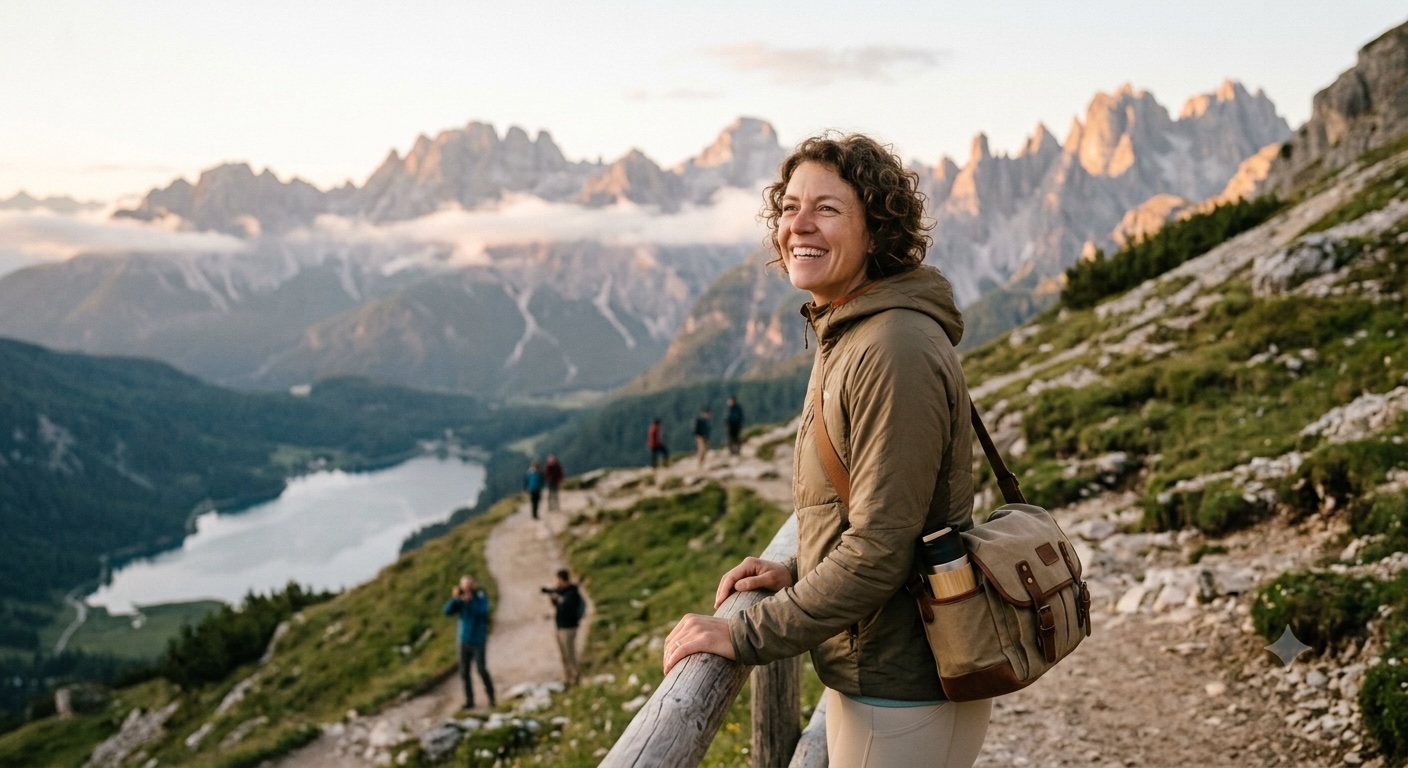
Solo alcohol-free travel gives you control. You can set your own schedule, change plans without negotiating, and leave any setting that doesn’t feel right.
It may be a good fit if you already enjoy traveling alone and feel comfortable making alcohol-free choices in unfamiliar places. The tradeoff is that you’re responsible for finding your own opportunities to connect with people.
If you’re used to meeting people in bars while traveling, plan a few other ways to interact. Walking tours, cooking classes, small-group excursions, community events, and shared tables can create more natural conversation than sitting alone at a hotel bar.
Group travel offers built-in structure and connection. It can remove some of the work involved in planning activities and meeting people, especially when the trip has been intentionally designed for alcohol-free travelers, like those curated by Dry Tripping Travel. Everyone arrives with at least one shared understanding, even if their reasons for not drinking are completely different.
That said, a “wellness retreat” or “group trip” isn’t necessarily alcohol-free. Some retreats limit alcohol while still allowing participants to drink during free time or at off-site meals. Read the description closely and ask the organizer how the policy works in practice.
What should you look for in an alcohol-free group trip?
A thoughtfully designed alcohol-free trip should offer something more meaningful than a traditional itinerary with the wine removed.
Look at what’s been built in its place.
Shared meals, local guides, creative workshops, outdoor activities, and unhurried free time can all create opportunities to connect. The schedule should have enough substance to give the trip a clear purpose without packing every available minute.
Before booking, ask:
Is the whole trip alcohol-free, or only the included activities?
How is that expectation communicated to travelers?
What happens during free time and off-site meals?
Are restaurant and activity partners aware that the group is alcohol-free?
What drink options are available during meals and celebrations?
How does the host help people connect?
What’s included in the price?
Who can travelers contact if questions come up before or during the trip?
Clear answers are a good sign that alcohol-free travel is central to the experience, not a label added for marketing.
Every host, retreat, and group trip listed on Dry Tripping Travel is vetted against the seven-part Dry Tripping Standard before appearing on the platform. That means the alcohol-free experience is considered from the start instead of treated like an accommodation travelers have to request later.
Handling meals, celebrations, and nightlife
Meals are one of the places where drinking can feel most automatic. A server may pour wine for the table before asking, or everyone else may begin ordering cocktails while you’re still looking at the menu.
Choosing your drink early can remove some of the awkwardness. Review the menu in advance when you can, or ask the server what they can make without alcohol. You don’t need a full mocktail menu to order something that feels a little special.
One easy option is an alcohol-free spritz made with soda water, cranberry juice, and a splash of fresh lime over ice. Ask for mint or a lime wheel if they have it. Most bars already have everything they need to make one, which makes it a useful go-to when you’re traveling.
Not every alcohol-free traveler wants a mocktail. Some people enjoy them, while others prefer drinks that don’t imitate alcohol. Neither choice needs an explanation.
You can also shift the energy of the evening. Ask about a local dish, order dessert, suggest a walk after dinner, find live music, or make the meal part of a larger plan. You’re not trying to pretend alcohol isn’t there. You’re simply not letting it decide whether the experience feels complete.
Nightlife is still an option if you genuinely enjoy it. Comedy, dancing, theater, night markets, concerts, evening tours, and late dinners can all be part of an alcohol-free vacation.
Even a bar may feel comfortable if there’s another reason you want to be there. For some travelers, it won’t be worth the effort. You might discover that you never actually liked crowded bars and mostly used alcohol to tolerate them. That’s useful information. Choose an evening you’ll enjoy instead.
What if this is your first sober vacation?
A first sober vacation can bring up feelings you weren’t expecting. You might feel excited, cautious, relieved, restless, or unsure how familiar travel moments will feel without your usual routines.
Give yourself room to learn. You don’t have to prove that you can comfortably handle every environment.
Changing restaurants, skipping a bar, checking in with someone you trust, or calling it an early night doesn’t mean the vacation is going badly. It means you’re paying attention to what you need.
Build some flexibility into the itinerary, especially around times you think could be challenging. Keep transportation options accessible, know how to get back to your accommodation, and have an alternate activity in mind.
If your sobriety is connected to recovery, your personal or professional support system may be able to help you prepare for your specific concerns. General travel advice can’t account for everyone’s needs.
How to compare the cost of alcohol-free trips
Skipping alcohol can reduce some travel expenses, but the headline price rarely tells the whole story.
For a traditional vacation, consider:
Whether the room rate includes alcohol you won’t use
What you expect to spend on meals and alcohol-free drinks
Airport transfers and local transportation
Optional tours and excursions
Resort fees and service charges
The cost of arranging activities yourself
For an organized retreat or group trip, check:
Which meals and activities are included
Whether airport or local transfers are provided
Whether there’s a single supplement
Which excursions cost extra
Whether gratuities are included
What support is available before and during the trip
Whether alcohol-free drinks are included at meals and events
A hosted trip may cost more upfront while covering expenses you’d otherwise pay separately. Compare the likely total cost and the experience you’re getting, not only the initial booking price.
A different way to experience the world
You can call it sober travel, dry tripping, alcohol-free travel, a reset, or simply a vacation. The label matters less than the kind of experience you want to have.
Start with a destination that gives you a reason to get up in the morning. Travel with people who respect your decisions. Ask direct questions before booking, especially when a trip claims to be alcohol-free. Then leave room for the spontaneous moments that make travel memorable.
Removing alcohol from the itinerary doesn’t make the world smaller. It may give you more of the trip to experience.
Ready to see what’s possible? Explore upcoming alcohol-free retreats and group trips designed around meaningful experiences, genuine connection, and the pleasure of being fully present.