16 Aug 2026Alcohol-Free Travel
Why Alcohol-Free Vacations Hit Differently
Explore five benefits of sober travel, including more usable time, clearer memories, deeper connection and a fuller experience of your destination.

Alcohol can quietly shape the rhythm of a vacation.
It gives people somewhere to gather, fills an open evening and often affects what happens the next morning. Without anyone deliberately choosing it, drinking can become part of the structure of the trip.
Take alcohol out of the plans and the focus shifts. The food, destination, activities and people have more room to make the trip interesting.
That shift is behind many of the benefits of sober travel. More of the day may feel available. You may remember the smaller details. Connection can grow through shared experiences instead of another round. You also get a clearer sense of what you genuinely enjoy about being away.
You don’t need to identify as sober to take an alcohol-free vacation. You might be drinking less, taking a break, supporting a travel companion or simply curious about how the experience would feel. The label matters less than giving yourself the chance to experience the full trip without alcohol shaping it.
What are the main benefits of sober travel?
Traveling without alcohol can affect several parts of a vacation at once. Five of the most noticeable benefits are:
More of the day feels available to you
You may remember more of the trip’s details
Connection develops around shared experiences
The destination becomes the focus
You learn more about how you genuinely like to travel
None of these benefits guarantees a perfect trip. Flights still get delayed. Group dynamics can be unpredictable. You can sleep badly without drinking a drop.
The difference is that alcohol isn’t adding another layer to those moments or deciding how the next day unfolds.
1. More of the day feels like yours
Vacation time isn’t only about the number of nights you book. It’s also about how much of each day you can spend doing what you came to do.
Alcohol can take up time beyond the hours spent drinking. There’s deciding where to go, waiting for another round, getting back later than planned and moving slowly the next morning. An evening out can influence part of the following day before it has even started.
On a sober vacation, that time opens up. You might take an early train without resenting the alarm. You could visit a market before it gets busy or walk through a neighborhood while shops are opening. If there’s a morning swim, hike or excursion you’re excited about, you don’t have to weigh it against the previous night.
You can also sleep late, read for hours or spend the morning doing very little. Alcohol-free travel doesn’t need to become a contest to fit as much as possible into every day.
The benefit is choice. A quiet morning feels different when it’s the morning you wanted, not the morning you needed to recover.
Before your trip, choose one morning experience and one evening experience you’d be disappointed to miss. They’ll give the day some shape without filling every hour.
2. You may remember more of the details

Travel memories aren’t made only at famous landmarks.
You may remember the person who made you laugh over breakfast, the light on a street after it rained or the conversation that continued long after dinner was finished. Small details are often what make one trip feel different from another.
Traveling sober can make it easier to stay present for those moments. You’re there for the end of the conversation. The walk back to your accommodation remains part of the evening rather than becoming a vague transition between the bar and bed. You may remember what you ordered, what someone told you and why everyone started laughing.
No one remembers every moment of a trip. Long days blend together, unfamiliar places can be tiring and memories naturally fade. Traveling without alcohol won’t give you perfect recall. It can, however, leave more of your attention available for what’s happening around you.
Try recording one specific detail at the end of each day. It could be a sound, a meal, a person or something that caught you off guard. You don’t need to keep a full travel journal. One sentence can bring an entire day back later.
3. Connection grows through shared experiences
Alcohol gives social time a familiar script. People meet for drinks, order another round and stay because leaving can feel like ending the evening.
Without that script, people need another reason to gather.
On an intentionally alcohol-free trip, connection might develop during a shared meal, a walking tour, a creative workshop or a long day outdoors. Everyone has something to look at, attempt or talk about. Conversation can begin with the experience itself, which takes away some of the pressure to approach a stranger and immediately find something interesting to say.
This can be especially valuable on a group trip. Guests may have very different reasons for traveling without alcohol, but no one has to wonder if declining a drink will separate them from the group. The itinerary already gives people other ways to spend time together.
That doesn’t mean every conversation will become meaningful or every person will become a close friend. Sometimes the benefit is quieter. You remember what someone told you. You notice when a casual conversation becomes more personal. Dinner ends because everyone is ready, not because the group has run out of places serving drinks.
4. The destination becomes the reason for the trip
Alcohol can fill gaps in almost any itinerary.
A hotel bar provides an evening plan. A tasting fills an afternoon. Cocktails can make a resort feel entertaining without anyone leaving the property. None of those experiences is automatically bad, but they can become the default without anyone deciding that they’re actually what the group wants.
An alcohol-free vacation raises a useful question: What did you come here to experience?
Maybe it’s the food, history, nature or architecture. Perhaps you want music, movement, conversation or uninterrupted rest. Once drinking isn’t the obvious activity, you have to choose what deserves your time.
That can lead you to experience more of the destination. Instead of heading automatically to a bar after dinner, you might stay for dessert, see a performance, walk through a busy public square or return to a place you noticed earlier in the day.
It may also reveal that some familiar vacation activities never appealed to you as much as you thought. You might love live music but dislike crowded bars. You may realize the best part of a long dinner was always the food and conversation. Perhaps you’d rather go to bed early because tomorrow’s plans genuinely excite you.
That information makes future trips easier to plan.
Before booking, ask yourself what would still make the destination appealing if drinking disappeared from the picture. If you struggle to name anything, the itinerary may need more substance.
5. You learn what kind of traveler you really are
Many of us carry an idea of how we’re supposed to travel.
A good vacation might seem like one packed with activities, late nights and spontaneous plans. A retreat might appear successful only if it produces deep rest, personal insight or a new group of lifelong friends.
Traveling without alcohol can make your actual preferences easier to see.
You may discover that you enjoy mornings even though you’ve never thought of yourself as an early riser. You might learn that three scheduled activities in one day leave you drained, or that too much open time makes you restless.
You may want the freedom of planning every part of a trip yourself. You might prefer to arrive independently but have activities and company waiting for you. Perhaps a private room matters far more than a luxury property because it gives you somewhere to recharge.
These preferences can shape how the entire trip feels.
As you travel, notice which moments increase your energy and which ones leave you wanting space. Pay attention to when you feel most connected, most curious and most like yourself. Those observations will help you choose a better-fitting trip next time.
Is sober travel only about avoiding a hangover?
Avoiding a hangover may be one benefit, but it isn’t the whole experience.
The larger change is how you spend your time. When drinking isn’t the default social activity or evening plan, something else has to take its place. That could be better food, more time outdoors, longer conversations, live entertainment or simply a quiet night you actively chose.
Sober travel isn’t defined by how early you wake up or how much you accomplish. It gives you more freedom to decide how you want the trip to feel.
Can an alcohol-free vacation still include nightlife?
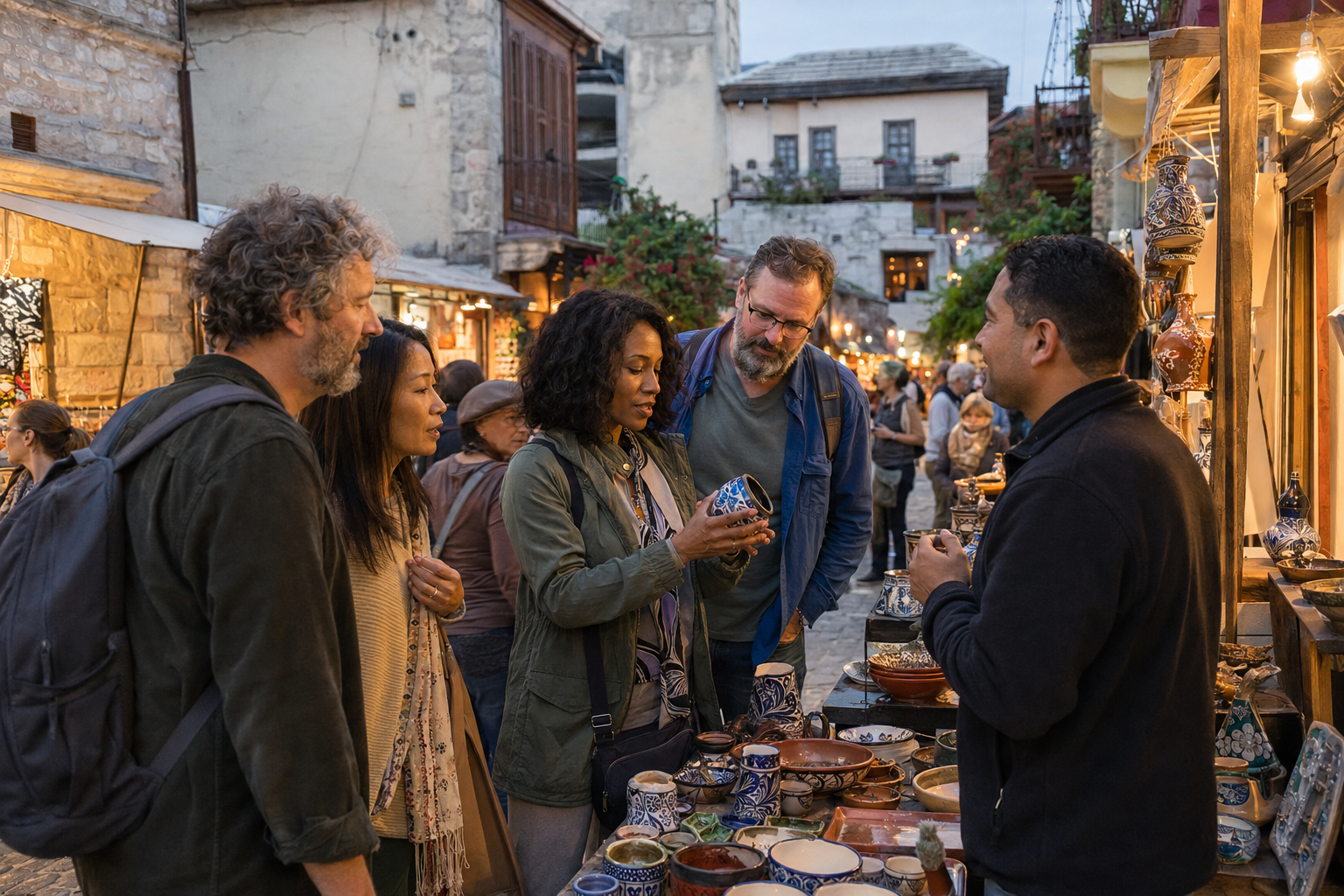
Yes. Going alcohol-free doesn’t require you to retreat to your room after dinner.
Concerts, dancing, theater, comedy, night markets, evening tours and late meals can all be part of the trip. You may even feel comfortable in a bar when there’s another reason you want to be there, such as music or meeting friends.
You may also realize that you no longer enjoy some nightlife settings. And that is ok. That doesn’t mean you’ve failed to have fun. It simply tells you something about what you enjoy.
Do you have to call yourself sober to go on alcohol-free vacations?
No. People travel without alcohol for many reasons, and not everyone uses the same language to describe that choice.
You can be alcohol-free, sober-curious, taking a break or simply trying a different kind of vacation. You don’t need to make a long-term commitment or share personal details to benefit from a trip where alcohol isn’t part of the plans.
If you join an organized trip, check how the host defines “alcohol-free” and what guidelines guests are expected to follow. Clear expectations help everyone decide if the experience is right for them.
The trip doesn’t need to transform you
Alcohol-free travel is sometimes described in sweeping terms. The mornings are perfect, every conversation is profound and everyone comes home renewed.
Real trips are messier.
You can travel without alcohol and still feel tired, lonely or irritated. You might miss a train, dislike an activity or find that the group takes time to settle. No host or itinerary can guarantee a breakthrough.
A trip can still matter without changing your life.
You may remember the full evening instead of fragments. You could have the energy for something you would normally have skipped. Perhaps you come home with one new friendship, a funny story or a better understanding of how you want to travel.
That’s enough.
You may remember the first quiet hour of the morning, the person beside you at dinner or the place you found because you felt like walking a little farther. Those moments don’t need to prove anything. They simply get to belong to the trip you chose.
If you’d like to experience an alcohol-free trip with the plans and company already built in, explore upcoming alcohol-free retreats and group trips.
Still thinking about what your next trip could look like? Join the Dry Tripping Travel email list for new destinations, trip announcements and early booking opportunities.