4 Aug 2026Alcohol-Free Travel
What Is an Alcohol-Free Retreat, and Is It Right for You?
Curious about alcohol-free travel? Learn what an alcohol-free retreat is, who it’s for, what to expect, and how to choose the right trip for your next getaway.

On many vacations, drinking is built into the experience before you even arrive. There’s the welcome cocktail, wine with dinner, an afternoon tasting, and a bar suggested as the natural place to end the night.
You can always choose not to join in. But being able to skip the drink isn’t quite the same as joining a trip where no one expects you to drink in the first place.
That’s where an alcohol-free retreat comes in. The itinerary, meals, social time, and activities are planned without alcohol at the center. You don’t have to explain what you’re drinking, turn down repeated offers, or settle for sparkling water while everyone else gets a thoughtfully prepared menu.
You don’t have to identify as sober to attend many of these trips, either. Alcohol-free and sober-curious retreats can be a good fit for people who’ve stopped drinking, are taking a break, rarely drink, or simply want to experience a destination without alcohol shaping the schedule.
What is an alcohol-free retreat?
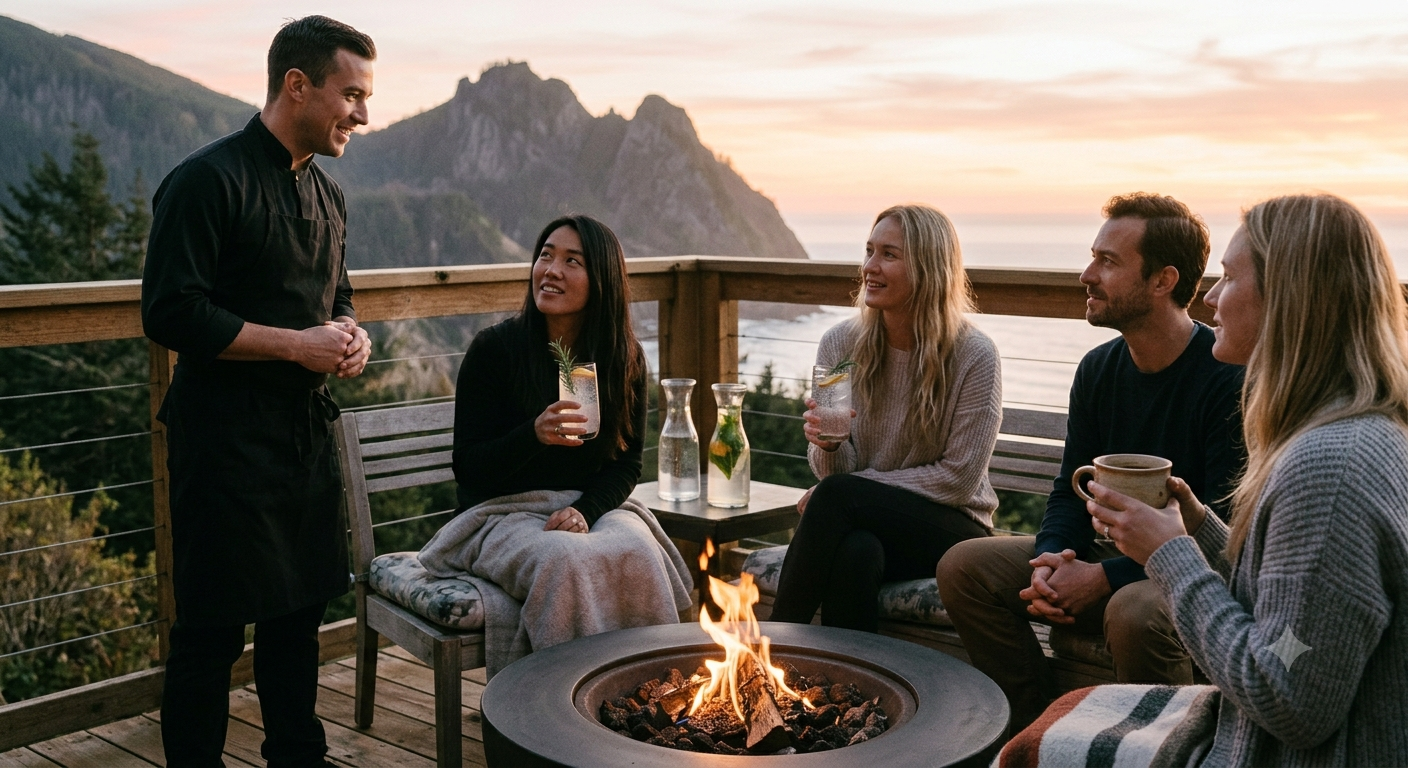
An alcohol-free retreat is a hosted travel experience where alcohol isn’t served or included in the planned activities. Depending on the trip, the itinerary might feature outdoor adventures, cultural experiences, workshops, shared meals, creative activities, or plenty of time to rest and explore.
What makes it different from a standard retreat is that alcohol-free travel has been considered from the beginning. The host hasn’t simply removed the wine from dinner and called it done.
Instead, the whole trip should work without alcohol. That might mean gathering over a well-planned meal instead of cocktail hour, ending the day around a fire instead of at a bar, or waking up early for a hike people are genuinely excited to take.
The activities will vary, but the basic idea is the same: no one should feel like they’re getting a lesser version of the trip because they aren’t drinking.
What’s the difference between alcohol-free, sober-curious, and recovery-focused retreats?
These terms are often used in similar ways, but they don’t always describe the same kind of trip.
An alcohol-free retreat describes the setting. Alcohol isn’t part of the experience.
A sober-curious retreat usually describes who’s welcome. It may be designed for people who want to take a break from alcohol or find out what traveling without it feels like. You don’t need to make a long-term commitment or adopt a particular label.
A recovery-focused retreat describes the purpose. It may include peer support, meetings, facilitated conversations, therapy, or other recovery-related programming.
Some retreats fit into more than one category. Still, the phrase “sober retreat” by itself won’t always tell you which kind you’ve found. Read the trip description closely, and ask the host if the focus isn’t clear.
Are alcohol-free retreats only for people in recovery?
No. Many alcohol-free retreats are leisure travel experiences, not treatment or recovery programs.
People choose not to drink for all kinds of reasons. Maybe you’re taking a month off, reconsidering the role alcohol plays in your life, protecting your sobriety, or simply not interested in spending part of your vacation drinking. You might love the destination and itinerary and see the alcohol-free setting as one more reason to go.
You shouldn’t have to explain your reason for attending. A welcoming retreat leaves room for people to arrive with different experiences and relationships with alcohol.
At the same time, an alcohol-free setting shouldn’t be confused with professional support. Unless a retreat clearly says otherwise, don’t assume it provides medical care, therapy, addiction treatment, or structured recovery services. If you’re specifically looking for that kind of support, confirm what’s included and who’s providing it before you book.
What actually happens at an alcohol-free retreat?
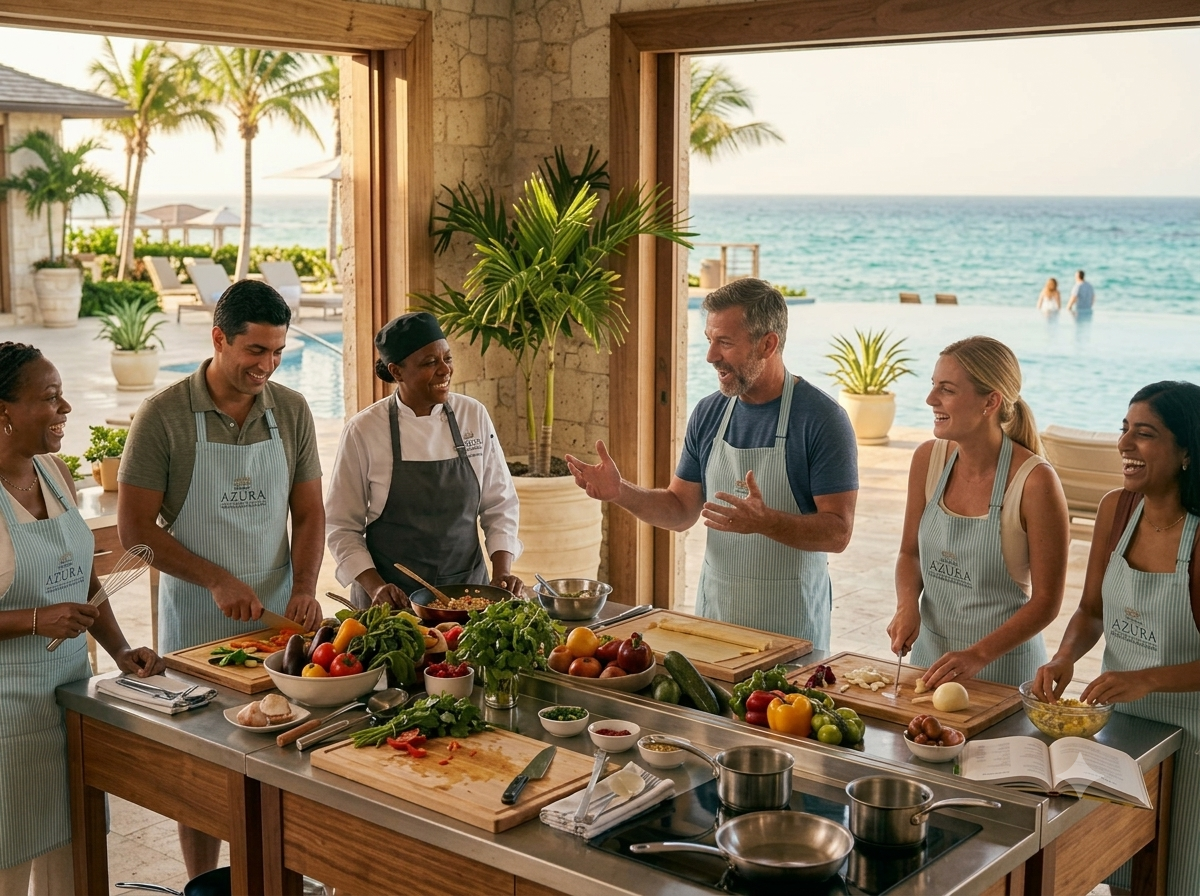
The itinerary may look similar to other hosted trips. You might explore a city, take a cooking class, spend the day hiking, visit a local maker, or linger over a group dinner.
The difference often shows up in the moments between scheduled activities.
On a typical group trip, social time can quickly turn into drinks at the hotel bar. An intentionally alcohol-free retreat has to give more thought to how people will spend time together. That could mean an evening walk, live music, games, a dessert stop, a creative workshop, or simply a comfortable place to sit and talk.
The drink options matter, too. No one expects every retreat to have an elaborate zero-proof menu, but the choices should feel considered. Spending an entire trip choosing between water and the same canned soda doesn’t exactly suggest that alcohol-free guests were top of mind.
Mornings may also play a bigger role in the experience. If you traveled somewhere beautiful for a sunrise hike, a market visit, or a full day outdoors, it’s nice to arrive ready to enjoy it.
Of course, that doesn’t mean every alcohol-free retreat is active or scheduled from morning to night. Some are lively and social. Others are quiet, restful, or intentionally unhurried. The alcohol policy tells you one thing about the trip, but it won’t tell you everything about what the experience will feel like.
What should you look for in an alcohol-free retreat?
A strong retreat should sound appealing even if you temporarily ignore the words “alcohol-free.” The destination, activities, accommodations, and host should all give you a genuine reason to book.
Once the trip itself has your attention, look for a few signs that the alcohol-free experience has been planned with care.
A clear alcohol policy
“Alcohol-free” should have a clear meaning. Is alcohol off-limits throughout the trip, including during free time? Is it simply not served by the host? Could other guests drink at the accommodations or during an unscheduled evening?
Guests can’t follow expectations they haven’t been given. A clear policy helps everyone understand what they’re signing up for before they arrive.
Social plans that don’t depend on drinking
Removing wine from dinner is easy. Creating a setting where people can meet and connect comfortably takes a little more thought.
Look for shared experiences and natural opportunities for conversation. Not every minute needs to be planned, but “we won’t serve alcohol” shouldn’t be the host’s entire approach to bringing people together.
Nonalcoholic drinks that aren’t an afterthought
A retreat doesn’t need a long list of complicated mocktails to feel welcoming. A few thoughtful options at meals and group gatherings may be enough.
What matters is that the host has considered what guests will enjoy drinking, rather than treating nonalcoholic beverages as a last-minute substitute.
A clear sense of who the trip is for
A good listing should tell you what kind of experience to expect. Is the retreat social or reflective? Active or relaxed? Is it centered on recovery, personal growth, culture, creativity, food, or adventure?
The more clearly a trip is described, the easier it is to decide if you’ll feel comfortable there.
The practical information you need
The listing should explain what the price includes, how much free time you’ll have, what the accommodations are like, and which activities are optional. You should also be able to find the cancellation terms, physical requirements, accessibility information, and a way to contact the host.
Alcohol-free travel still comes with all the practical questions you’d ask before booking any other trip.
The Dry Tripping Standard
At Dry Tripping Travel, going alcohol-free isn’t treated as a small adjustment to a traditional retreat. It’s part of the trip’s design from the start.
Every host, retreat, and group trip listed on the platform is vetted against the seven-part Dry Tripping Standard. This gives travelers a clearer idea of what to expect before they book and helps ensure alcohol-free guests are the intended audience, not an afterthought.
That doesn’t mean every trip will look or feel the same. Travelers can still choose between different destinations, activity levels, group sizes, accommodations, and travel styles. The standard simply creates a shared baseline for what qualifies as a Dry Tripping experience.
Is an alcohol-free retreat right for you?
Start with the trip itself. Does the destination interest you? Do the activities match how you actually like to spend your time? Does the schedule offer the right balance of group experiences and time to yourself?
Then think about the alcohol-free setting.
It could be a good fit if:
The idea of drinking being off the table feels like a relief
You want to meet people without every social plan leading to a bar
You’re curious about alcohol-free travel without making a broader commitment
You’d rather spend your time and budget on other parts of the experience
You want to enjoy early activities without planning around the night before
You’d prefer not to explain or defend your choice not to drink
You’re comfortable following the retreat’s alcohol policy for the full trip
It might not be the best fit if you want the option to drink during your free time or consider drinking an important part of your vacation. One style of travel isn’t better than the other. The experience just needs to match what you want from your time away.
Questions to ask before booking
A well-written listing should answer most of your questions. If something important is missing, reach out to the host before you commit.
You may want to ask:
Is alcohol prohibited throughout the trip or simply not provided?
What happens during unstructured time?
Is the retreat recreational, recovery-focused, or a mix of both?
Are any meetings, discussions, or wellness activities required?
What kinds of nonalcoholic drinks are available?
How much of the itinerary is optional?
What’s included in the listed price?
What’s the typical group size?
Do many guests attend on their own?
What accessibility needs can the host accommodate?
What experience does the host have leading group travel?
What are the cancellation and refund policies?
Pay attention to how the host responds, too. Clear, comfortable answers are a good sign. Asking what “alcohol-free” means in practice is completely reasonable, and you shouldn’t be made to feel difficult for wanting to know.
Frequently asked questions
Do you have to be sober to attend a sober-curious retreat?
Usually not. Sober-curious retreats are often open to anyone interested in traveling without alcohol, including people who still drink at other times. Check the individual retreat’s description, since each host may set different expectations.
Can you attend an alcohol-free retreat alone?
Yes, as long as the trip accepts solo travelers. Group retreats can offer built-in ways to meet people, but room arrangements and single-occupancy costs vary. Look for details about shared rooms, private-room fees, group size, and how social time is planned.
Will people ask why I’m not drinking?
A well-hosted alcohol-free retreat shouldn’t require you to explain your choice. Guests may naturally talk about their experiences, but sharing personal details should always be optional.
Are alcohol-free retreats focused on wellness?
Some are, but many focus on adventure, food, culture, creativity, or simply taking a good vacation. “Alcohol-free” describes the drinking environment, not the theme of the trip.
Can a retreat be alcohol-free if guests can drink during free time?
Not the retreats on Dry Tripping Travel. Each trip is designed to offer a fully alcohol-free experience, creating space for genuine connection, meaningful conversations, and the comfort of knowing everyone is on the same wavelength.
Finding a trip that feels right
The right alcohol-free retreat should offer a lot more than the absence of drinks. It should be a trip you’re excited to take, with an itinerary that fits your interests and expectations you feel comfortable agreeing to.
Take a close look at the alcohol policy, consider how the overall experience has been designed, and ask questions if anything is unclear. Once those pieces feel right, you can get back to the real reason for the trip: going somewhere new and enjoying your time there.
Ready to find a trip that truly fits you? Explore upcoming alcohol-free retreats and group trips thoughtfully designed with alcohol-free travelers in mind from the very beginning.