26 Aug 2026Alcohol-Free Travel
The Rise of Alcohol-Free Travel: How Drinking Less Is Changing Vacation
Alcohol-free travel is growing as drinking rates reach a record low. See what’s changing, what the trend looks like, and what it means for your next trip.
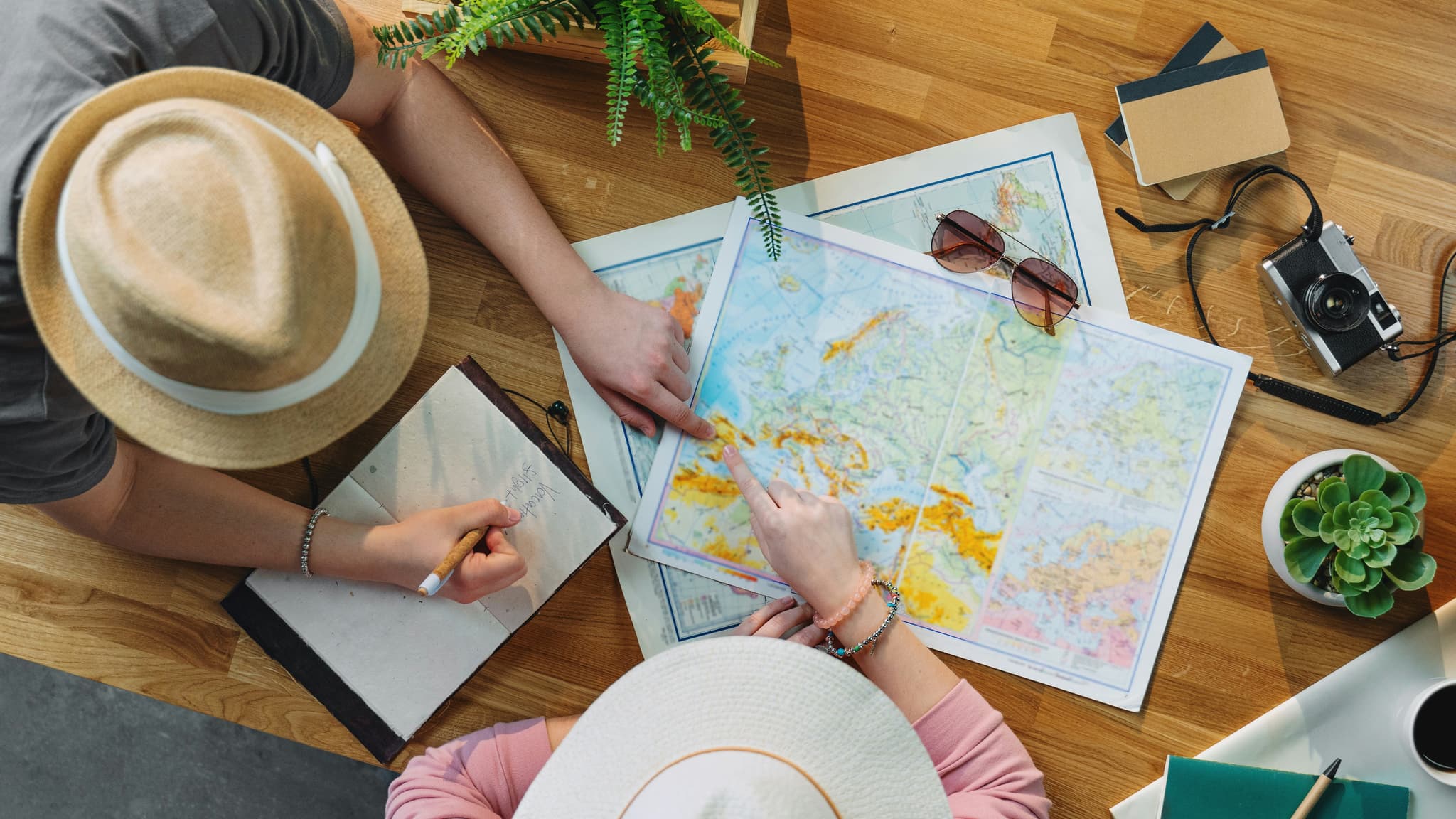
For a long time, drinking was treated as a natural part of traveling.
A welcome glass at check-in. Cocktails by the pool. Wine with dinner. A bar as the obvious place to meet after a day of exploring. Even travelers who didn’t plan to drink much could find alcohol quietly shaping the schedule.
That assumption is starting to loosen.
More people are drinking less and this doesn’t get left at home when they travel. The rise of alcohol-free travel doesn’t mean every vacation is becoming a sober vacation. It points to a simpler shift: alcohol is becoming optional rather than automatic.
Americans are drinking less
Gallup has tracked Americans’ drinking habits since 1939. In its August 2026 update, 54% of U.S. adults said they drink alcohol, matching the record low reported the previous year.[1]
And this change happened quickly. The share of adults who reported drinking fell from 62% in 2023 to 58% in 2024 and then to 54% in 2025, where it remained in 2026.[1]
Attitudes toward drinking have shifted alongside behavior. 51% of U.S. adults now believe drinking one or two alcoholic beverages a day is bad for a person’s health. In 2001, only 27% held that view.[1]
Those findings don’t suggest that everyone has stopped drinking or that people share the same reasons for cutting back. However, they do show that drinking holds a different place in American life than it did even a few years ago.
Some people are giving up alcohol completely. Others drink less often, alternate between alcoholic and nonalcoholic drinks, or skip alcohol when it doesn’t add anything to the occasion.
That wider middle ground matters to travel. People may still want a lively dinner, a beautiful hotel, or a social group trip. They just don’t necessarily want alcohol deciding what those experiences look like.
Why alcohol-free travel is growing
Travel tends to make drinking more visible.
At home, you probably know which restaurants have good nonalcoholic options and which social plans revolve around drinks. On vacation, you’re in an unfamiliar place. Alcohol can appear in hotel packages, food tours, restaurant recommendations, airport routines, group activities, and evening plans before you’ve made a single decision about it.
As drinking habits change, travelers are asking for more choice in those moments.
Hilton reported that one in four global travelers surveyed for its 2025 Trends Report had reduced or stopped their alcohol consumption during the previous year.[2] Expedia Group also found that half of surveyed travelers were interested in staying at a hotel with easily accessible alcohol-free options.[3]
These findings don’t mean every traveler who drinks less wants a completely alcohol-free trip. They point to growing demand for vacations that still work well when someone chooses not to drink.
Health concerns may be part of the shift, but they aren’t the whole story. People may also drink less on vacation because they want to sleep well, enjoy an early activity, feel more comfortable traveling alone, support a companion, or spend their time and money elsewhere.
For some, the decision isn’t really about avoiding alcohol. It’s about deciding what they want the trip to revolve around.
What alcohol-free travel can look like
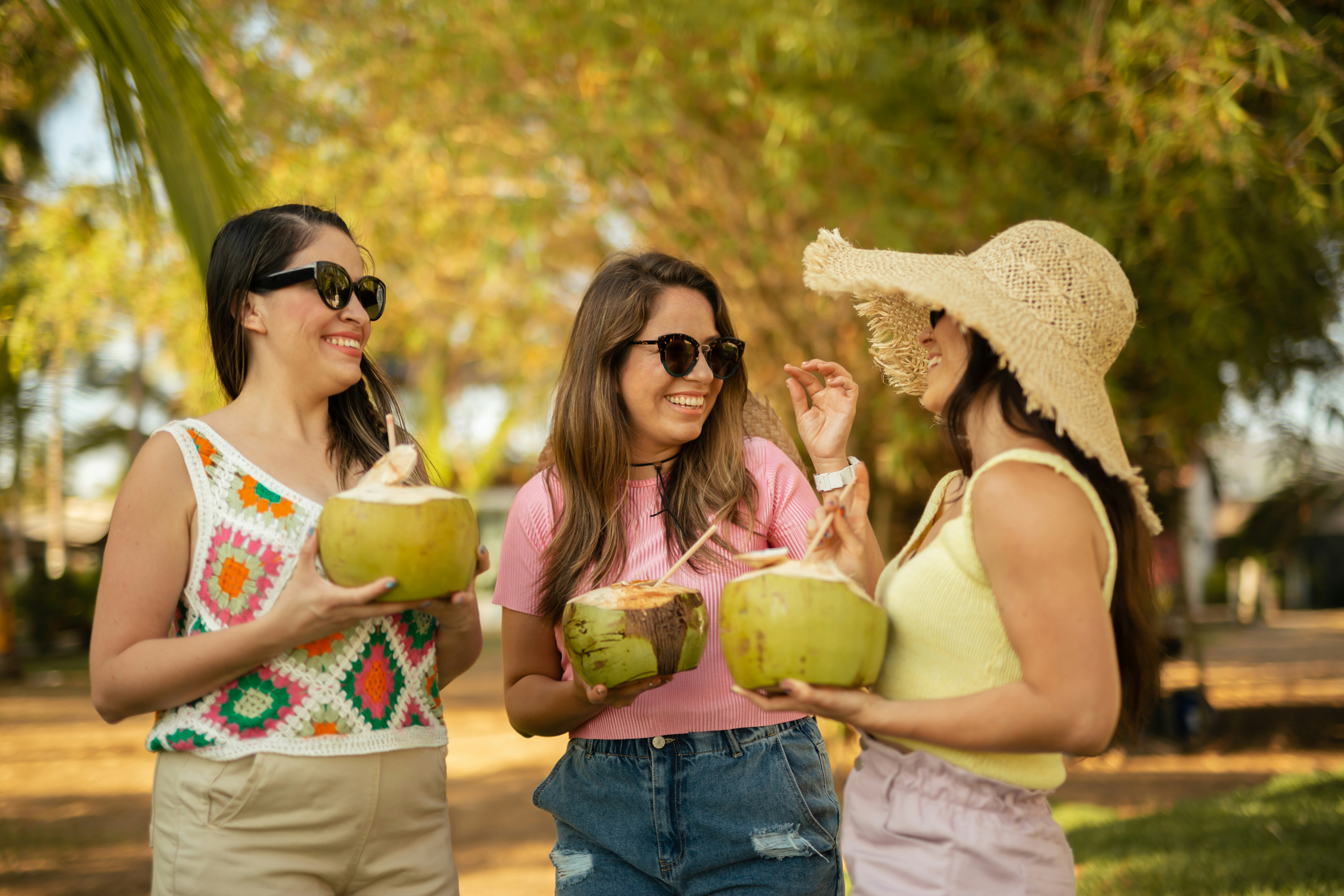
Alcohol-free travel isn’t one specific kind of vacation. It can mean anything from declining a drink at dinner to booking an entire trip where alcohol isn’t part of the experience.
You might plan a conventional vacation and decide not to drink while you’re there. You’ll choose your own accommodations, restaurants, and activities, knowing alcohol may still be present around you.
You could look for a hotel that offers thoughtful nonalcoholic drinks and plenty to do beyond its bar. The property itself doesn’t need to be alcohol-free, but your choices shouldn’t be limited to water and soda.
You might build an itinerary around food, culture, outdoor activities, or local experiences without automatically adding breweries, wineries, and boozy nightlife.
You could also join a hosted alcohol-free retreat or group trip. In that case, the shared expectation is set before anyone arrives. The meals, activities, and social time should all be planned with alcohol-free travelers in mind.
If you’re curious about that last option, What Is an Alcohol-Free Retreat, and Is It Right for You? explains how these trips work and how they differ from recovery-focused programs.
Any of these options might suit you at different times. Someone who drinks occasionally might choose an alcohol-free hiking trip because early mornings matter to them. A sober traveler may prefer a hosted retreat where they won’t need to check how alcohol fits into every activity. Someone else may simply want a hotel that puts the same care into all of its drink options.
Choosing an alcohol-free trip doesn’t require you to make a broader statement about drinking. You can decide what feels right for this vacation without knowing what every future trip will look like.
Travelers increasingly expect alcohol to be optional
The most meaningful change isn’t the arrival of mocktails. It’s the growing expectation that declining alcohol shouldn’t leave someone with a lesser version of the meal, gathering, or trip.
That starts with having real choices. A traveler who isn’t drinking shouldn’t always be left with the same soda, sparkling water, or overly sweet substitute. A good selection might include zero-proof cocktails, local teas, specialty coffee, botanical drinks, juices, or other options that suit the setting.
It also means planning social time that everyone can join. If the group’s main gathering always happens at the bar, travelers who skip it may miss part of the experience. A trip feels more welcoming when connection grows through shared meals, activities, conversation, and time spent exploring together.
Clear information matters too. Travelers should be able to understand how alcohol fits into an experience before they book. Does “alcohol-free” mean alcohol isn’t served, or that guests agree not to drink throughout the trip? Will it be present during restaurant meals or free time? Will thoughtful nonalcoholic drinks be readily available?
Good information helps people choose the right experience without having to explain why these questions matter to them.
Drinking less shouldn’t require a label
“Sober travel” is often used as a broad description for traveling without alcohol, but not everyone interested in the experience identifies as sober.
Some travelers are sober or in recovery. Others are sober-curious, taking a temporary break, drinking less for health reasons, training for something, supporting a friend, or simply uninterested in alcohol on that particular trip.
It may be more helpful to think of alcohol-free travel as a choice rather than a fixed identity.
A person can join a fully alcohol-free retreat without making a statement about what they’ll do next year. Someone who drinks at home can decide not to drink on vacation. Friends with different relationships to alcohol can plan a trip that gives everyone something to enjoy.
Retreat hosts don’t need every guest to arrive with the same story, but they do need to make expectations clear and offer an experience that feels complete without alcohol at the center.
That leaves travelers free to choose based on the things that make a trip worth taking: the destination, pace, accommodations, activities, and people involved.
What this shift means for your next trip
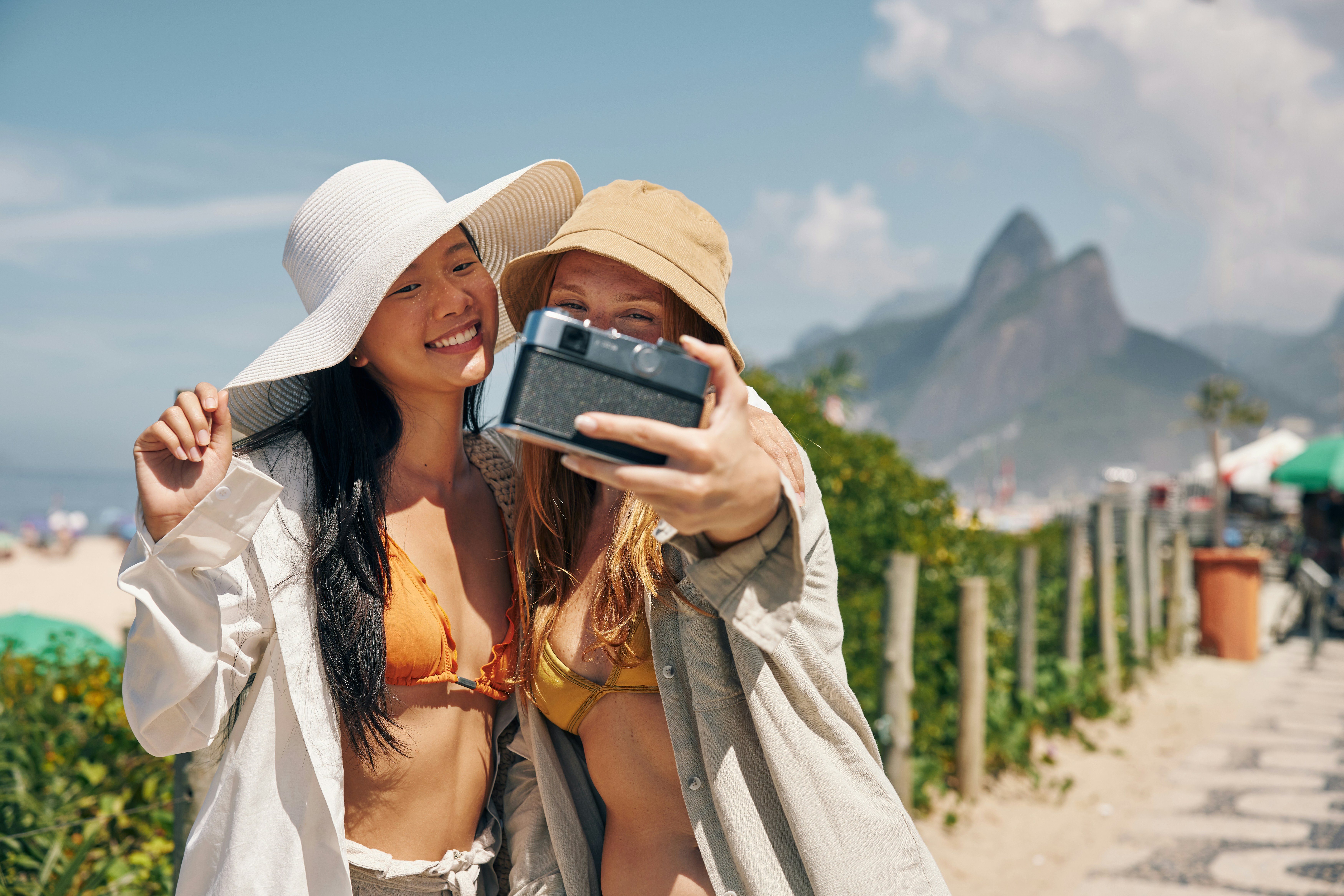
You don’t need to book a dedicated sober retreat to travel differently. You can start by noticing how much of a potential trip is organized around alcohol and asking yourself if that matches what you actually want.
Look beyond a hotel’s drinks menu. What’s there to do in the evening? Can you enjoy the restaurant without ordering alcohol? Does the destination offer activities that appeal to you after dinner? If you’re joining a group, how will people spend their time together?
When a trip is marketed as alcohol-free, check what that means in practice. Read the alcohol policy, itinerary, and information about free time. If the details aren’t clear, ask before booking.
For help comparing hosted experiences by pace, group dynamic, accommodations, activities, and alcohol policy, check out How to Choose the Right Alcohol-Free Retreat for You.
If you’re planning a conventional vacation where other people may be drinking, you may still encounter questions or social pressure. How to Say No to Alcohol on Vacation Without Making It a Big Deal offers practical ways to respond without overexplaining.
The rise of alcohol-free travel doesn’t mean bars, wine lists, and cocktail hours are disappearing. It means they no longer have to be the default setting for time away.
Travelers now have more room to decide what they want from a trip and find an experience that reflects it. For some, that may be a conventional vacation with better choices. For others, it may be a trip where alcohol is taken off the table from the start.
If the second option sounds like the kind of experience you’ve been looking for, explore current alcohol-free retreats and group trips and find one that fits the way you want to travel.
Sources
[1] Gallup, “Americans’ Drinking Remains at Record Low,” August 20, 2026.
[2] Hilton, “Hilton Annual Trends Report Predicts 2025 to Be the ‘Year of the Travel Maximizer’,” September 30, 2024.
[3] Expedia Group, “Unpack ’24 Travel Trends,” 2023.