13 Aug 2026Alcohol-Free Travel
Solo Sober Travel: How to Find Freedom and Connection
Planning a solo sober trip? Compare independent travel, hybrid itineraries, and alcohol-free group trips to find the right balance of freedom and connection.
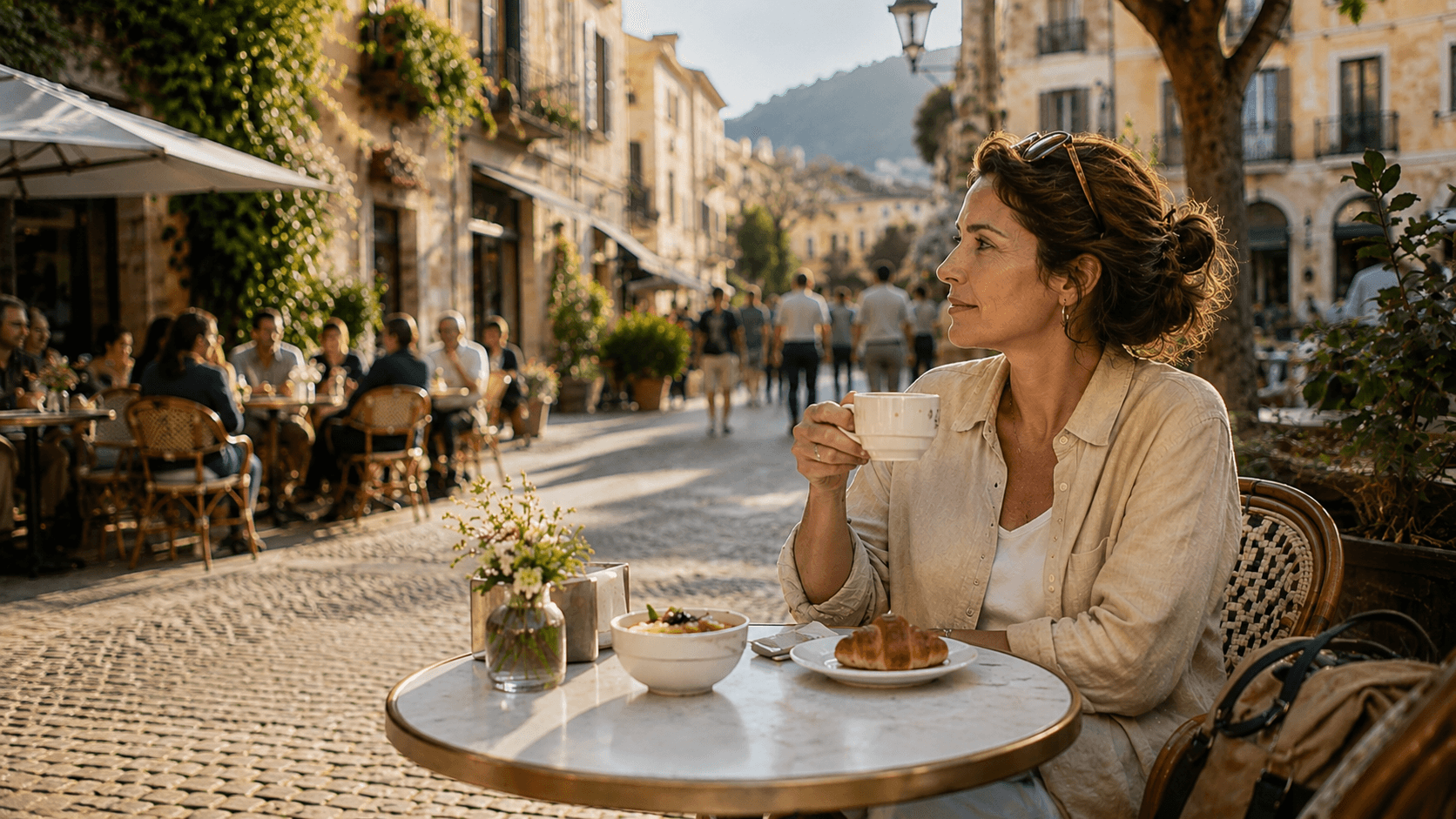
Solo sober travel doesn’t have to mean spending an entire trip alone.
You can plan every part yourself, add a few group experiences to an otherwise independent itinerary, or arrive solo at a hosted alcohol-free trip. Each option gives you a different balance of freedom, structure, and company.
That balance matters. An open afternoon can feel wonderfully spacious when you want time to yourself. The same afternoon can feel less inviting when you’re ready for conversation but haven’t made any plans that might lead to it.
The aim isn’t to fill every hour or avoid solitude. It’s to decide how much connection you’d like, then build it into the trip instead of leaving it entirely to chance.
What does solo sober travel mean?
Solo travel can describe how you book a trip, who you arrive with, or how you spend your time once you’re there.
You might travel independently from beginning to end. You could book your own accommodation and transportation, then join a walking tour, class, or day trip. You might also attend a hosted group retreat without bringing a friend.
In all three cases, you’re booking and arriving on your own. What changes is how much planning you handle and how much of the trip you share with other people.
The word “sober” can carry different meanings, too. Some travelers identify as sober. Others are drinking less, taking a break, or simply curious about an alcohol-free vacation. You don’t need to adopt a particular label to benefit from planning a trip where alcohol won’t shape your choices.
Which solo travel style fits you?
There are three main ways to approach a solo alcohol-free trip. Choose the one that suits how you actually like to spend your days.
If this sounds like you | A good starting format |
I enjoy researching trips and want complete control over my time | A fully independent solo trip |
I want freedom but would like a few dependable opportunities to meet people | An independent trip with pre-booked group activities |
I want company built in and would rather not manage every detail | A hosted alcohol-free group trip |
Option 1: Plan a fully independent solo trip
A fully independent trip gives you the most control.
You choose where to stay, when to wake up, how long to spend somewhere, and what to skip. If a restaurant or event feels too focused on drinking, you can change plans without consulting anyone. If you love a place, you can stay longer.
That freedom also means handling the research and logistics yourself. You’ll need to choose accommodation, arrange transportation, make reservations, and decide how you want to spend your time. You’ll also be responsible for creating opportunities to meet people when you want them.
Independent solo sober travel may suit you if:
Planning is part of the fun for you.
You’re comfortable making decisions in an unfamiliar place.
You enjoy substantial stretches of time by yourself.
You’d rather choose when to socialize than follow a group schedule.
You want complete control over your accommodation and budget.
Being able to change plans easily matters more than having company built in.
If that sounds appealing, check out The Complete Guide to Alcohol-Free Travel for practical guidance on choosing a destination, finding accommodation, planning meals, and traveling alcohol-free.
Option 2: Build connection into an independent itinerary
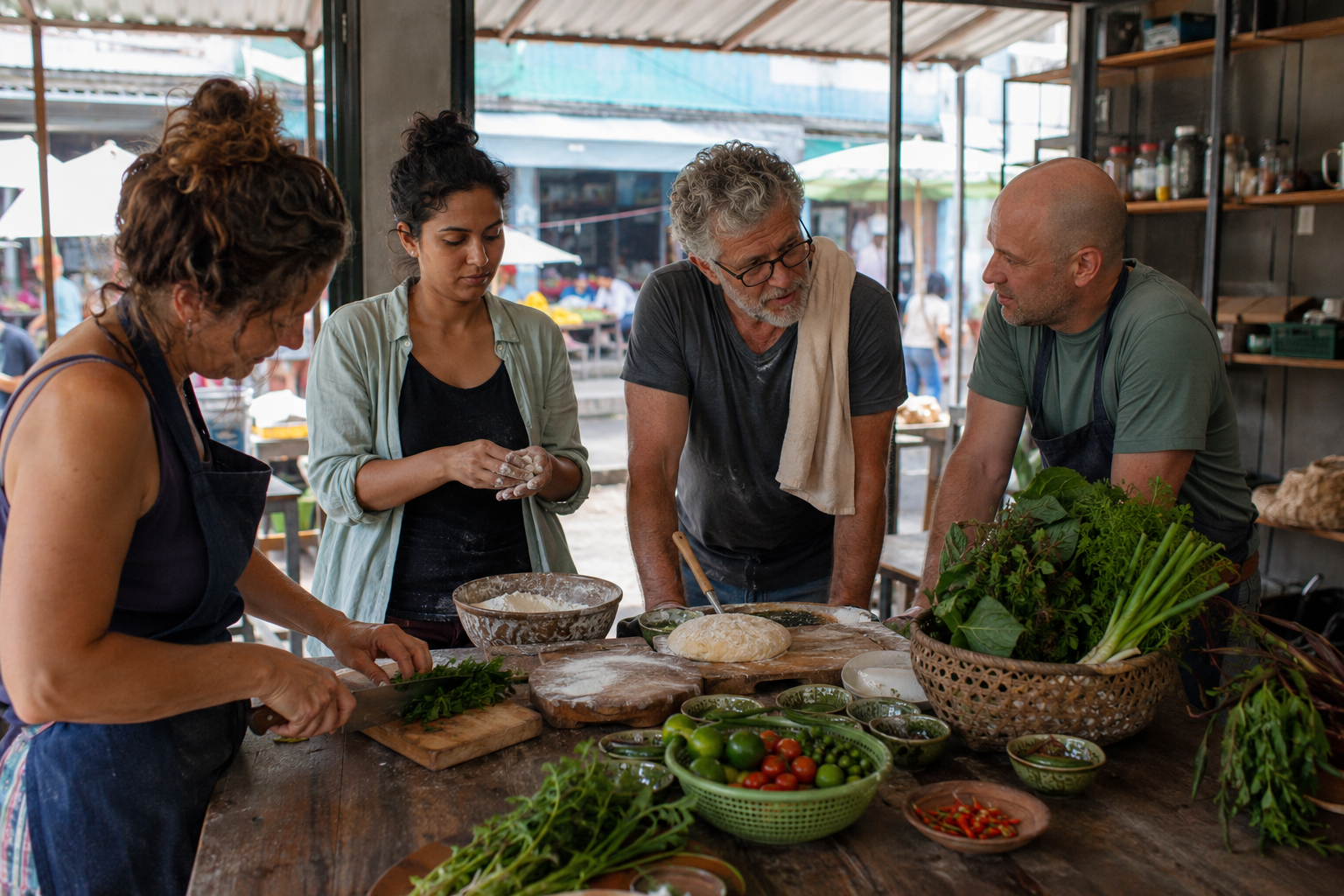
A hybrid trip gives you plenty of freedom, with a few opportunities to connect already in the calendar.
You still choose your accommodation, transportation, and overall schedule. The difference is that you book a few social plans before you leave, giving the trip a few dependable points of connection. These might be guided activities, classes, day trips, or events where conversation has a natural starting point.
Choose activities you’d enjoy even if you didn’t meet anyone. That takes away the pressure to turn every interaction into a friendship. A good conversation can simply be a welcome extra.
This format may fit you if:
You want control over most of the itinerary.
You like meeting people but also need private time.
Eating every meal or spending every evening alone doesn’t appeal to you.
You’d prefer short group experiences to a full group trip.
You want to test solo travel before committing to a longer independent journey.
It can also be a comfortable first step for someone who likes the idea of traveling alone but doesn’t want to begin with a completely open week.
A simple connection plan for solo sober travel
You don’t need a crowded itinerary to feel connected. A few carefully chosen plans can make a noticeable difference.
Before departure, consider arranging:
One pre-booked group experience
One evening plan you’d be happy to attend alone
One scheduled call or check-in with someone at home
One backup activity for an unstructured day
Accommodation that makes it reasonably easy to reach the places you want to visit
Think of this as a starting point, not a rule. Some travelers will want more social time. Others will find that one group activity across several days is plenty.
What matters is making a few of those decisions before you arrive. When you’re tired or feeling uncertain, it’s much easier to follow a plan than start researching from your room.
What could a connected solo day look like?
A day with both independence and company might look something like this:
Morning: Explore a neighborhood, museum, market, or outdoor area independently.
Afternoon: Join a small-group class, guided activity, or local excursion.
Early evening: Return to your accommodation for quiet time.
Dinner: Go somewhere you’ve researched or reserved in advance.
Later: Attend an event, check in with someone at home, or have an early night.
This is only one example, but it shows how solitude and connection can fit comfortably into the same day.
You can still change your mind. Having a reservation doesn’t mean you must force yourself through an experience that no longer feels right. Check cancellation policies when booking so you understand your options.
How can you meet people without relying on bars?
Meeting people is often easier when everyone has something to do. A guided walk, cooking class, creative workshop, outdoor activity, or small-group excursion gives conversation a natural starting point. You can talk about what you’re seeing or learning instead of having to approach a stranger without context.
Before booking, check:
The expected group size
How long the activity lasts
Whether people tend to attend alone
What the price includes
Whether alcohol is part of the activity
The physical and accessibility requirements
The cancellation terms
Your plans aren’t the only factor. Where you stay can also affect how connected or isolated the trip feels.
Choose accommodation with your evenings in mind
Accommodation affects far more than where you sleep. A private rental may give you quiet, a kitchen, and plenty of space. It might also leave you with little casual contact and a long journey back after an evening activity. A hotel may offer staff, common areas, and a convenient location, although its main social space could be a bar.
Look beyond the room photos. Research the neighborhood, transportation, shared areas, on-site activities, and what’s nearby after dark. Check current guest reviews for recurring comments about noise, isolation, atmosphere, or ease of getting around.
Ask yourself a practical question: How will I feel returning here at the end of the day?
The answer may matter more than whether the room has the most impressive view.
Give evenings a little thought before you leave
Evenings can feel different when you’re traveling alone, particularly in places where social life often revolves around drinking.
Save a short list of things you’d genuinely enjoy. Depending on the destination and current schedules, that could include a performance, cinema, evening tour, night market, bookstore event, long dinner, or a busy public area you’d like to explore.
It’s also completely reasonable to spend an evening at your accommodation. You’re not failing at solo travel because you want to read, order dinner, watch something, or go to bed early.
The goal is to have choices. A quiet evening feels different when it’s the option you wanted rather than the only idea you could find.
Stay connected to the support you already have
Traveling independently doesn’t require cutting yourself off from people at home.
You might arrange a call with a friend, share your plans with someone you trust, or send a message at the end of the day. These small points of contact can feel grounding without interrupting the independence of the trip.
If recovery or peer support is part of your life, think about how you’ll access it while you’re away. Check time zones, internet access, local or virtual meeting availability, privacy, and any resources you regularly rely on. An alcohol-free leisure trip isn’t a substitute for professional care or established support. If maintaining access matters to you, make it part of the practical planning rather than assuming you’ll work it out after arrival.
Option 3: Join an alcohol-free group trip on your own
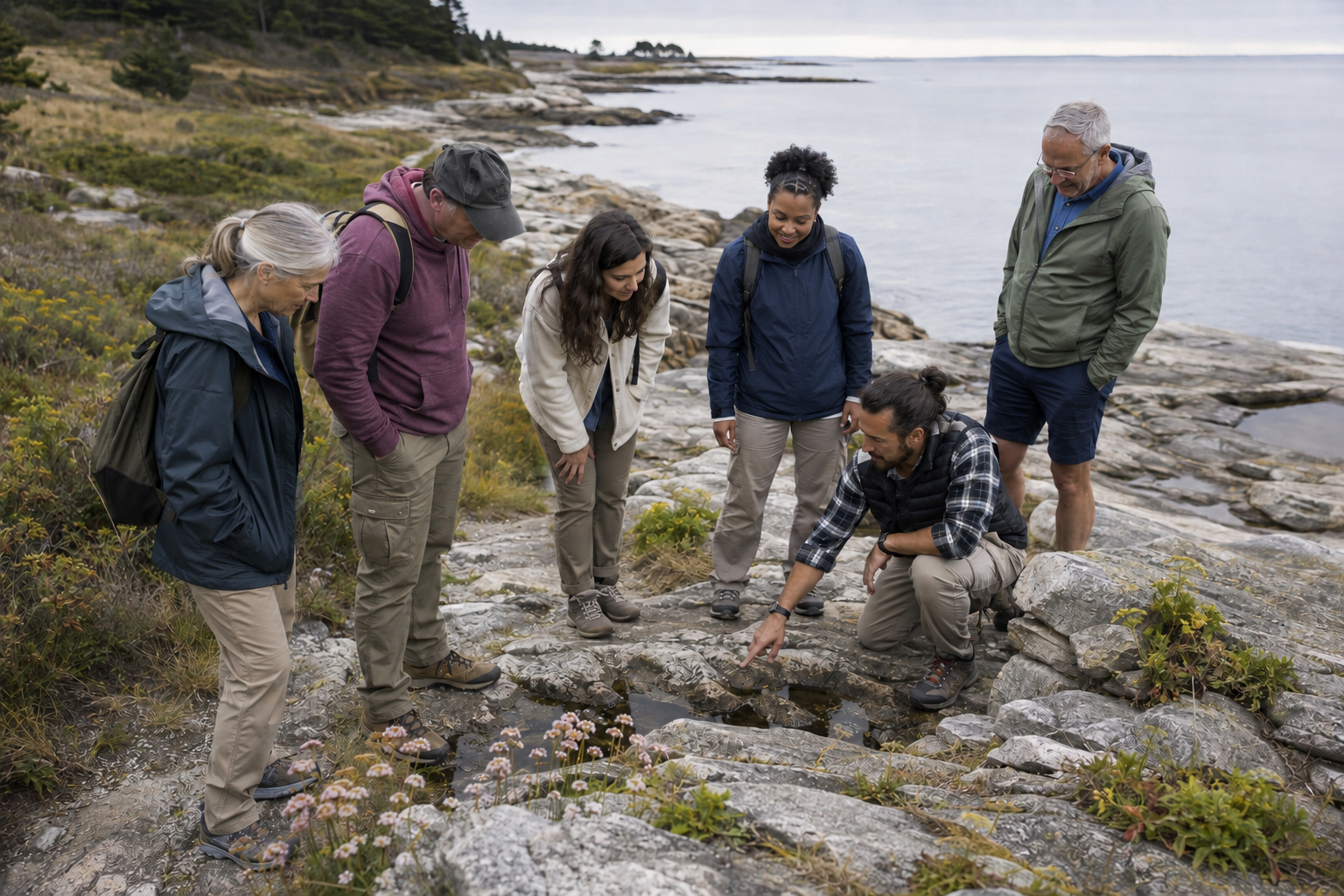
A hosted group trip offers a different version of solo travel. You make the decision and arrive without a companion, but the itinerary and company are already in place.
This can work well if you want to experience a destination without researching every transfer, activity, and meal yourself. You also won’t have to find people to share meals and activities with once you arrive.
In return, you’ll have less control over the daily schedule. Departure times are fixed, some meals may be shared, and the group’s needs will affect how the trip unfolds.
Before booking, focus on three questions:
How much of the itinerary is shared?
How much genuine free time will you have?
What does the alcohol-free policy cover?
You’ll also want to know whether rooms are private or shared, which activities are optional, and what happens if you decide to step away for part of the day.
If you’re comparing specific trips, the guide to choosing the right alcohol-free retreat covers pace, privacy, accommodation, activities, and overall cost.
What changes when you join a group trip alone?
The main difference is that connection becomes part of the trip’s structure.
You’ll have people to join for meals, activities, and transportation without having to find them independently. You’ll also spend time with personalities and routines you didn’t choose.
That doesn’t mean you need to become close friends with everyone. A good group experience should leave room for different social rhythms. You might connect deeply with one person, enjoy several lighter conversations, or simply appreciate having company during the day.
Ask the host what happens before and during arrival. Find out whether guests receive clear instructions, whether transportation is coordinated, and whether other travelers are also attending alone.
For more on arrival, meeting the group, and taking time to yourself, see what to expect on your first alcohol-free retreat.
How to make your choice
Start by deciding which parts of the trip you want to handle yourself.
Choose a fully independent trip if researching, making decisions, and changing course sound energizing. Add a few social anchors so connection is available when you want it.
A hybrid itinerary may suit you if you want control over your days without spending the whole trip on your own.
If you’d rather have the plans and company built in, consider a hosted alcohol-free group trip. You’ll still be arriving independently, but you won’t have to arrange every activity or find people to share the experience with.
There’s nothing to prove by choosing the most independent option. The right trip is the one that gives you enough freedom to feel like yourself and enough connection to enjoy being there.
Ready to see what a hosted experience could look like? Explore upcoming alcohol-free retreats and group trips.
Still considering your options? Join the Dry Tripping Travel email list for new trip announcements and early booking opportunities.