7 Aug 2026Alcohol-Free Travel
Your First Alcohol-Free Retreat: What to Expect
Considering your first alcohol-free retreat? Learn what it’s really like to arrive alone, meet the group, share space, take downtime and choose the right trip.
Your First Alcohol-Free Retreat: What to Expect
You can study the itinerary, inspect the room photos and read every line of the FAQ. Still, one question tends to linger before a first alcohol-free retreat: What will it actually feel like once you’re there?
You may be excited about the destination but uneasy about joining a group of people you haven’t met. You may wonder if everyone else will arrive with a friend, if you’ll be expected to share personal details or if the social side will feel forced. Perhaps you’re comfortable traveling without alcohol but haven’t spent several days in a group where drinking is taken out of the plans from the start.
These are reasonable concerns. A group retreat asks you to enter a new place and a new social setting at the same time.
The honest answer is that the first few moments may feel awkward. You may not connect with everyone immediately. You might need more downtime than you expected. None of that means you chose the wrong trip.
Here’s what first-time guests should know before booking an alcohol-free retreat, including some of the less polished realities that rarely make it into the photo gallery.
Who goes on an alcohol-free retreat?
There isn’t one type of person who attends an alcohol-free retreat.
Some guests may have been alcohol-free for years. Others may be drinking less, taking a break or simply curious about what travel feels like when alcohol isn’t part of the equation. Not everyone will use the same language to describe their choice, and not everyone will want to discuss it.
What guests share is an interest in the trip and a willingness to respect its alcohol policy. That common understanding can remove some of the social calculations that come with other types of group travel. You don’t have to decide how to answer an offer of wine at dinner or wonder if skipping the bar means missing the main social event.
Can you attend an alcohol-free retreat alone?
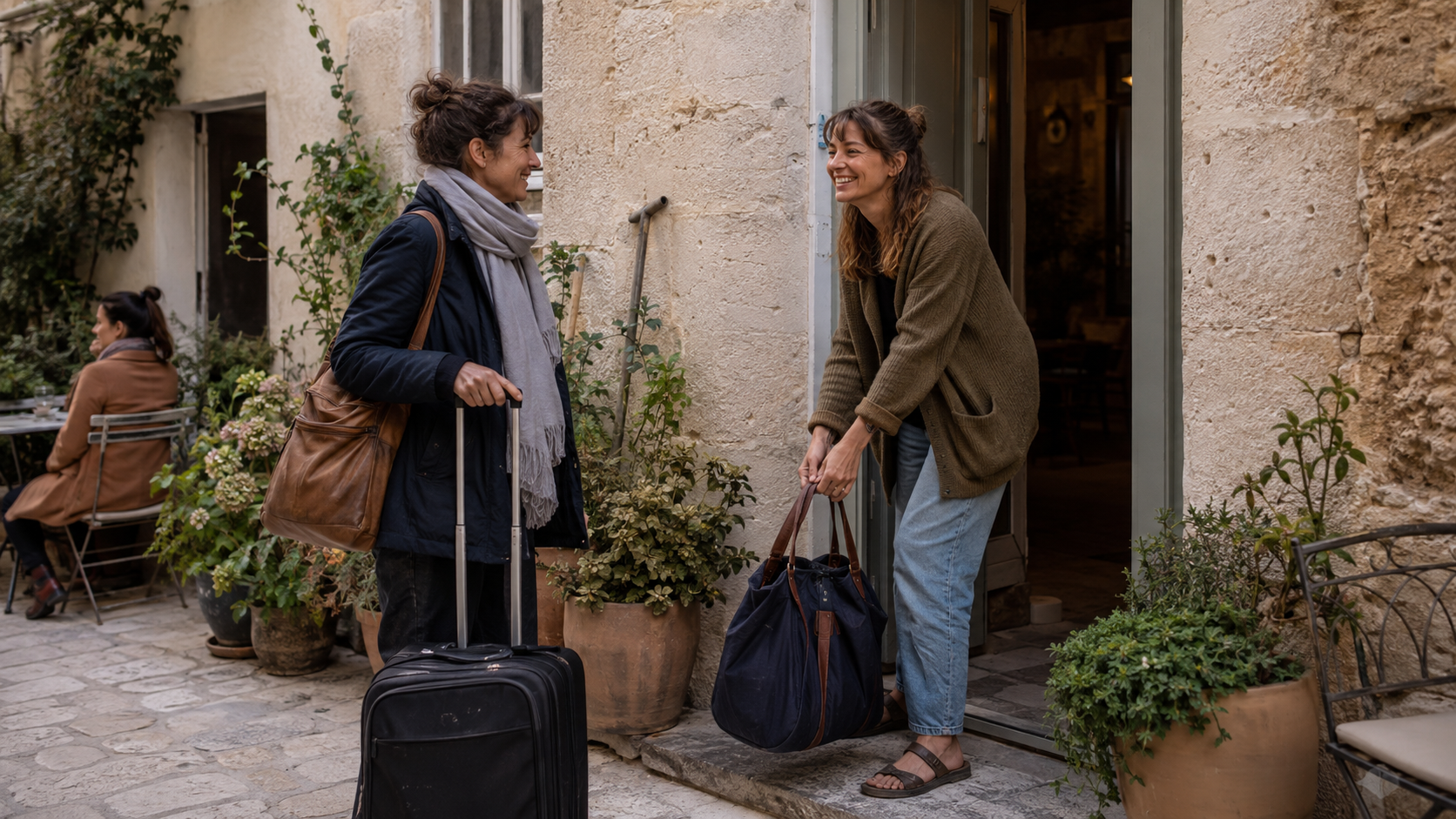
Absolutely. Many guests arrive on their own, and joining a retreat solo gives you the freedom of independent travel with the connection of a group experience built in. You’ll have people to share meals and activities with, along with natural opportunities to get to know one another.
Arriving without knowing anyone can feel daunting, but it also gives new connections room to develop as the trip unfolds.
That doesn’t mean arriving alone will feel effortless.
The minutes before entering a room full of strangers can bring back a surprisingly familiar kind of nervousness. You may wonder where to sit, who already knows each other or how many names you’re going to forget. Even experienced solo travelers can feel unsettled when they’re joining an established itinerary rather than making their own plans.
Give yourself a smaller task than “make friends.” Learn two names. Ask someone how their journey went. Find out where to leave your bag or make a cup of tea. Most connections begin through ordinary exchanges, not an immediate heart-to-heart.
A thoughtful host can make this transition easier by clearly explaining what happens on arrival and creating a natural first point of contact. Before booking, ask:
How many guests are expected?
Do many guests tend to book alone?
Will there be any communication or introductions before the trip?
What happens when guests first arrive?
Is transport from the airport or station coordinated?
How are shared rooms or roommates arranged?
The first hour might feel awkward
Travel photographs tend to capture the sunset dinner, the beautiful view or the moment when everyone is laughing. They rarely show someone arriving tired after a delayed flight, carrying a suitcase upstairs and trying to remember six new names.
The beginning may feel a little clumsy because it is a beginning.
You might meet someone you immediately enjoy talking to. You might not. Some guests warm up quickly, while others need time to watch, listen and settle into their surroundings. Group chemistry can’t be scheduled as neatly as an excursion.
This is one of the things nobody can promise about a retreat: not every guest will become a close friend. You may feel more comfortable with some people than others. There may be a conversation that doesn’t flow or an activity where you feel slightly out of step.
That’s part of traveling with real people, and it doesn’t prevent the trip from being meaningful. A good group experience leaves room for different personalities without requiring everyone to perform instant closeness.
How can you tell if the retreat’s pace will suit you?
A list of activities doesn’t tell you everything about how a retreat will feel. The rhythm matters just as much as the itinerary.
Look for these details before booking:
How early do scheduled activities begin?
How long will the group spend traveling between locations?
Which meals are shared?
Which activities are optional?
How much unscheduled time is included?
Are evenings planned or left open?
How physically demanding are the activities?
Can guests return to the accommodation independently if they want to leave an activity early?
A full itinerary may appeal to someone who wants to make the most of every day. Another traveler may be happier with one main activity and plenty of time to read, walk or explore independently. Neither preference is better, but a mismatch can affect the whole experience.
Pay particular attention to words such as “optional,” “free time” and “at leisure.” If the itinerary isn’t clear about what those terms mean, ask. An optional activity shouldn’t quietly feel mandatory once the trip begins.
Do you have to join every retreat activity?
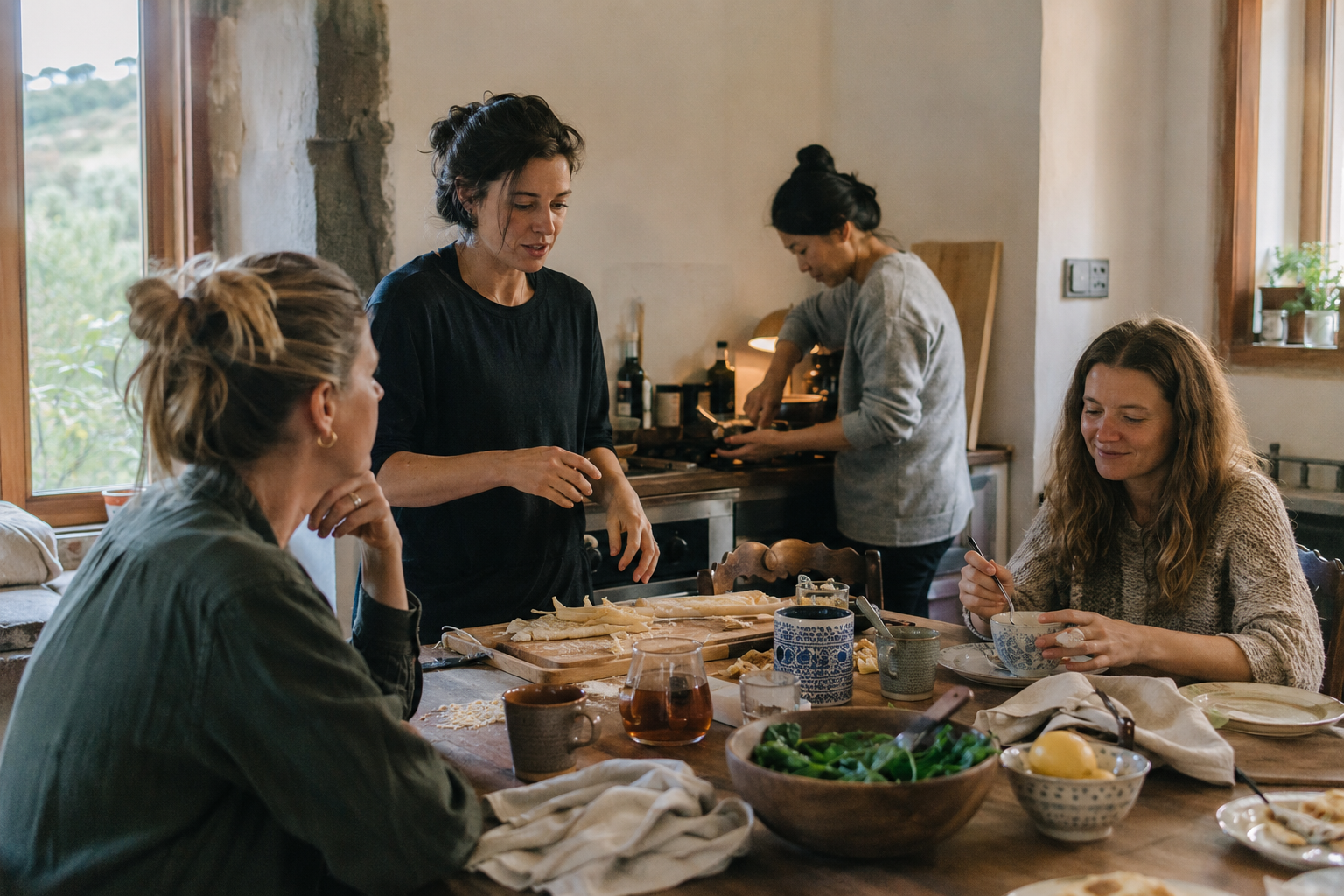
You shouldn’t assume that every activity is optional, but a well-explained itinerary will tell you what’s included, what’s expected and where guests can make their own choices.
You may find that you want more time alone than you predicted, even when you like the group. New surroundings, shared meals and frequent conversation can be energizing, but they can also be tiring. Skipping one optional activity, taking a quiet walk or spending half an hour in your room doesn’t make you unfriendly.
It may help you enjoy the rest of the trip more.
Ask the host how opting out works in practice. Can you stay at the accommodation? Will you need to arrange your own transport? Are there any activities that affect the wider group if you cancel at short notice? Clear answers will help you make choices without disrupting other guests.
Your room may matter more than the itinerary
Accommodation isn’t simply where you sleep. It affects how much privacy you have, how easily you can recharge and how comfortable you feel across several days.
A shared room may make the retreat more affordable and provide another opportunity to connect. It also means adapting to another person’s routines. One of you may wake early. The other may need quiet before bed. You may have different preferences around temperature, alarms or bathroom timing.
A private room can give you space to reset, but it may cost more or have limited availability.
Before booking, find out:
Whether rooms are shared or private
How roommates are matched
Whether guests can request a particular roommate
How many people share each bathroom
Whether single occupancy is available
What quiet hours apply
What storage space is provided
Whether the room setup meets your mobility or accessibility needs
These details may sound less exciting than the destination, but they often reveal more about your likely comfort than the headline activities.
What feels different about an alcohol-free retreat?
One of the most noticeable differences may be how little attention alcohol receives once the shared expectation is clear.
There’s no need to build the evening around finding a bar or deciding who wants another round. A dinner can continue because people are enjoying the conversation, or it can end when everyone is ready to rest. Morning plans don’t have to compete with the previous night.
Alcohol-free doesn’t automatically mean quiet evenings, early bedtimes or a schedule filled with wellness activities. The experience depends on the destination, the group and the retreat design. An alcohol-free trip can include long dinners, music, dancing, outdoor adventures, local food, creative activities or slow mornings. What changes is the assumption that alcohol needs to organize the fun.
Alcohol may still be present in public settings such as restaurants, airports or other venues. If that matters to you, ask how the retreat’s policy applies during excursions and independent time. “Alcohol-free retreat” should be clearly defined rather than left open to interpretation.
You may not return home feeling exactly as expected
Most retreat advice focuses on arrival, but coming home can have its own emotional adjustment.
After spending several days with a group, returning to your usual routine may feel peaceful, flat, comforting or unexpectedly strange. You may want to stay in touch with everyone. You may need time to process the experience privately. A strong connection formed during a trip may continue afterward, but it doesn’t have to become a lifelong friendship to have mattered.
Try not to place a large outcome on the retreat before it starts. You don’t need to come home transformed. Enjoying a destination, having a few honest conversations or discovering that group travel suits you can be enough.
Questions to ask before booking an alcohol-free retreat
A few direct questions can help you tell the difference between a trip that sounds appealing and one that genuinely suits you:
Who is the retreat designed for?
What does the alcohol-free policy cover?
Could alcohol still be present in restaurants or public venues?
How many guests are expected?
Do many people attend alone?
Which activities are optional?
How much free time is included?
What are the room and bathroom arrangements?
How does roommate matching work?
How are dietary requirements handled?
What accessibility information is available?
What transport is included?
What happens if you opt out of an activity?
Is personal sharing part of the program, and is it optional?
What support or communication is provided before arrival?
What is included in the price, and which costs are extra?
What type of support isn’t provided?
Curious about how alcohol-free retreats work and whether one might be right for you? What Is an Alcohol-Free Retreat, and Is It Right for You? covers what to expect.
Planning your own getaway instead? The Complete Guide to Alcohol-Free Travel offers practical tips for traveling without alcohol.
What an alcohol-free retreat can and can’t promise
No host can guarantee instant friendships, perfect group chemistry or a life-changing experience.
What a trustworthy host can provide is clarity. You should understand who the trip is for, what the alcohol policy means, how demanding the itinerary is, what your accommodation will be like and who to contact with questions. You should also know which parts of the experience are optional and what support isn’t included.
Your role is simpler than it may feel. Arrive with curiosity, respect the group’s shared expectations and allow the first few conversations to be imperfect. You don’t need to prove that you belong or explain why you’re interested in alcohol-free travel.
If the destination appeals to you, the pace matches the way you like to travel and the practical details help you feel comfortable, you may be ready to consider your first group retreat.
Find out if a Dry Tripping Travel trip feels right for you
Your first alcohol-free group trip doesn’t need to feel like a huge leap. It can simply be a chance to visit somewhere new, meet people who share your curiosity and experience travel in a way that feels right for you.
Explore upcoming alcohol-free retreats and group trips, including destinations, accommodations, activities and what’s included.
Not ready to choose a trip yet? Join the Dry Tripping Travel email list for new destination announcements, upcoming trip details and early booking opportunities.